



DIN Rail Terminal Block-----Multi-level Terminal Block
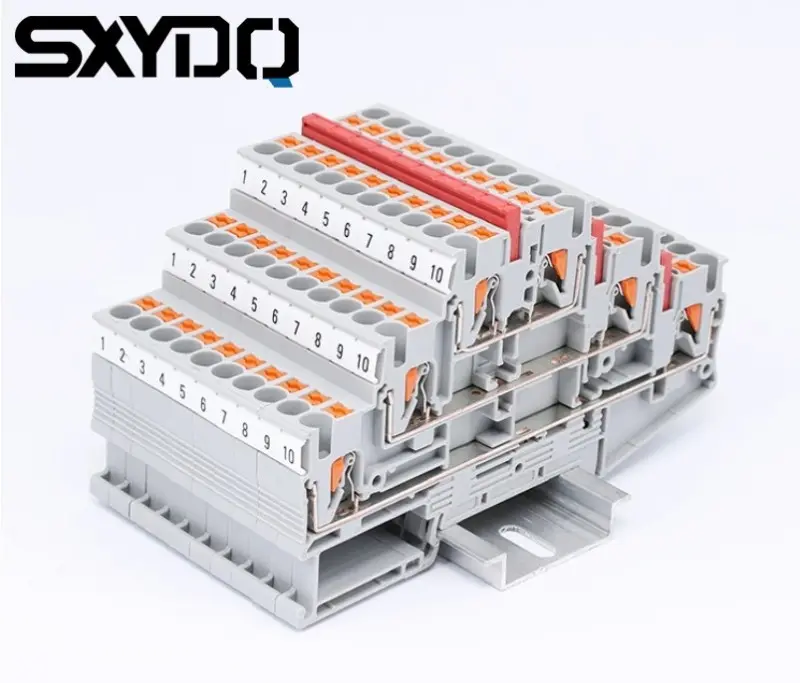
Today we want to talk about today is Multi-level Terminal Block.
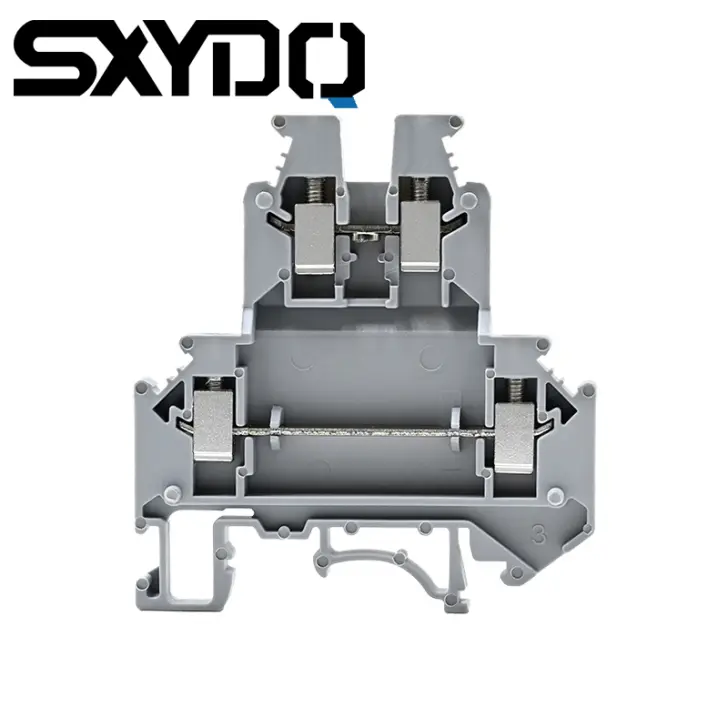
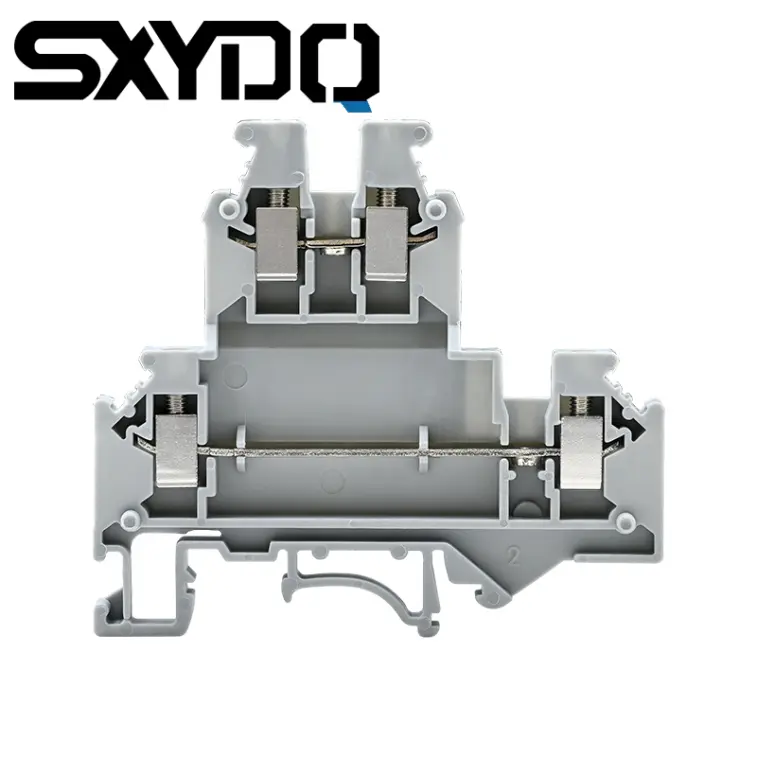
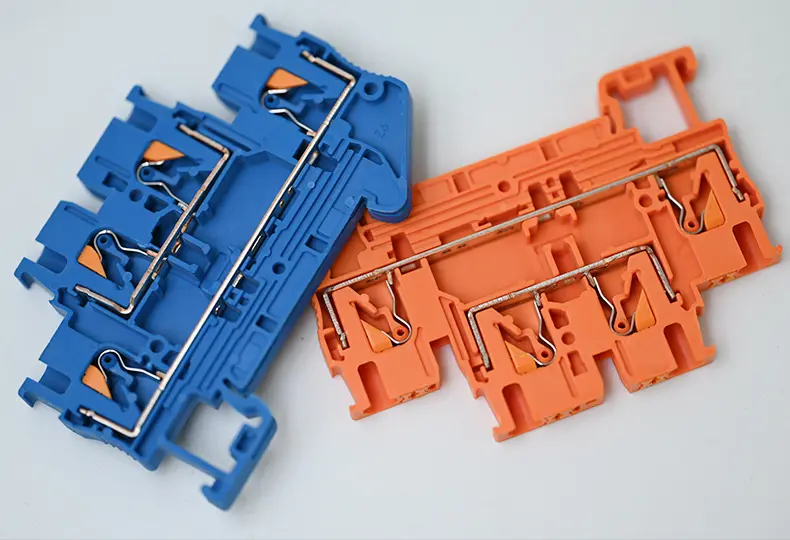
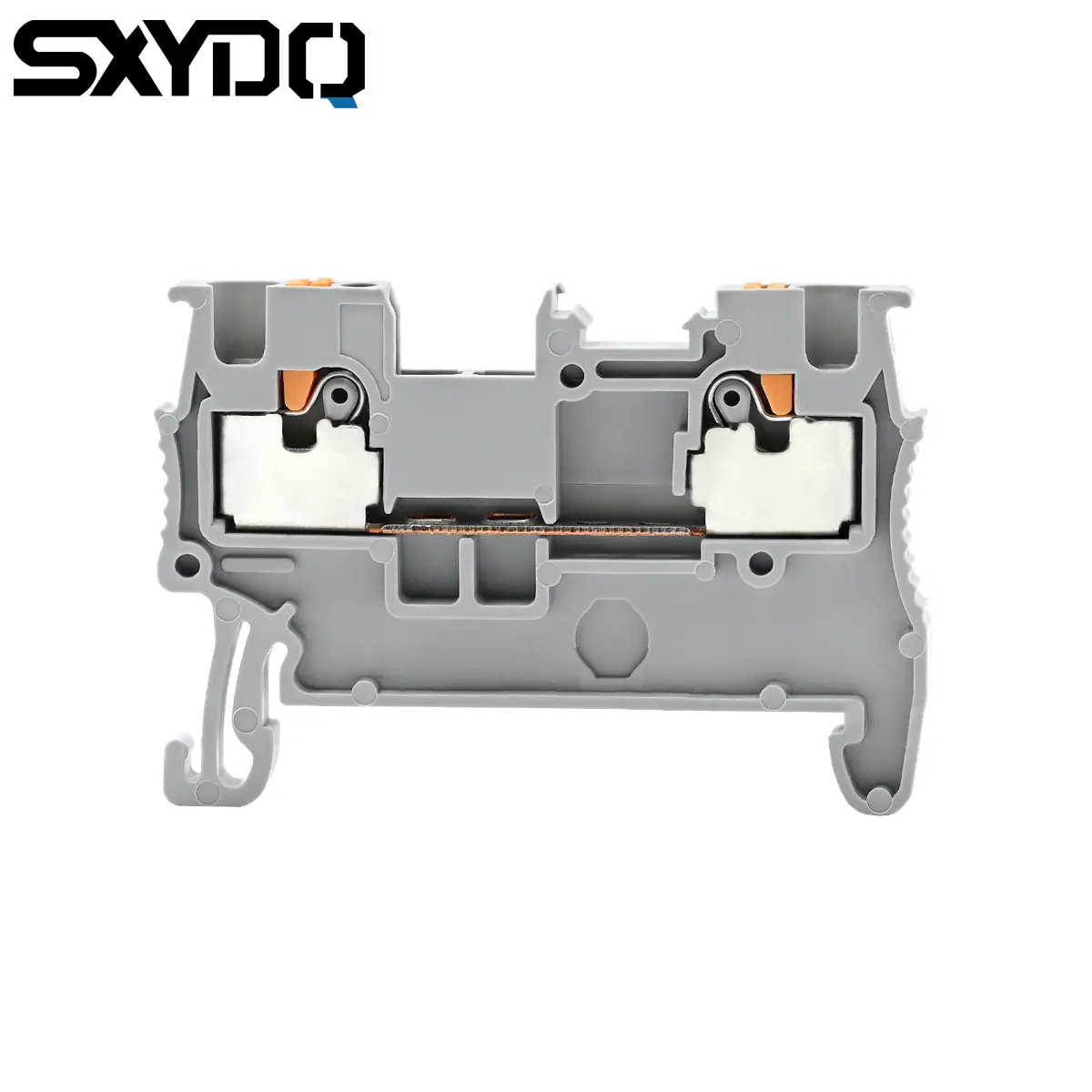
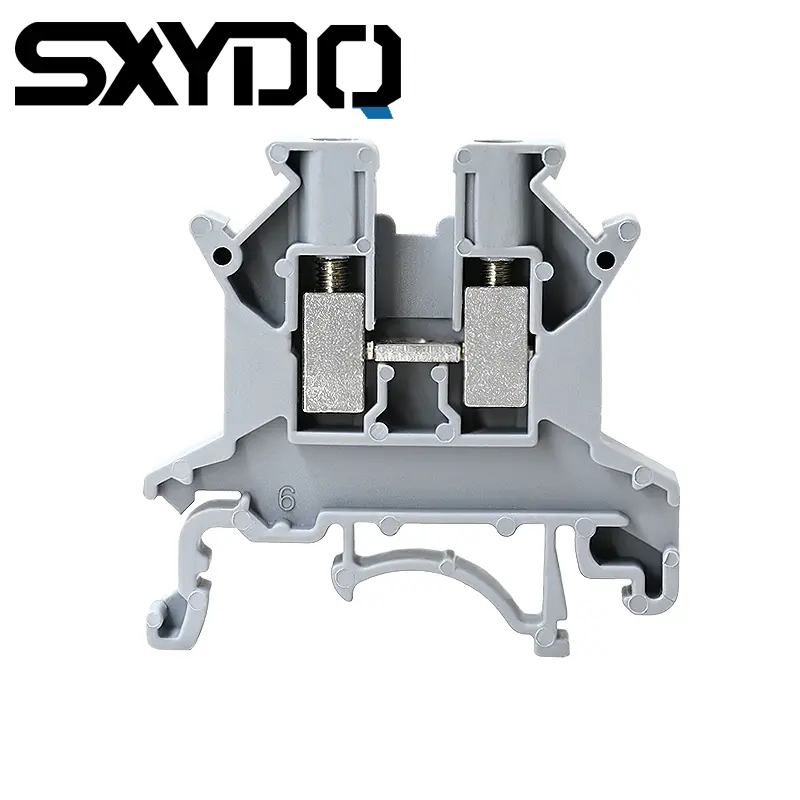
In today's case, we have a two-layer or two-level terminal block. The bottom layer is similar to a single-layer terminal block, functioning merely as a pass-through design without the ability to disconnect or reject the connection. Thus, a wire enters from one side and exits directly from the other side.
The top layer will operate similarly to a fuse terminal block. A wire will enter, and the current will pass through the fuse before exiting from the other side. This works in the same way as a fuse terminal block. I can disconnect the power by pulling out the fuse, or if the current or electrical load passing through the fuse is too high, the fuse will blow, thereby protecting any components connected to this terminal block.
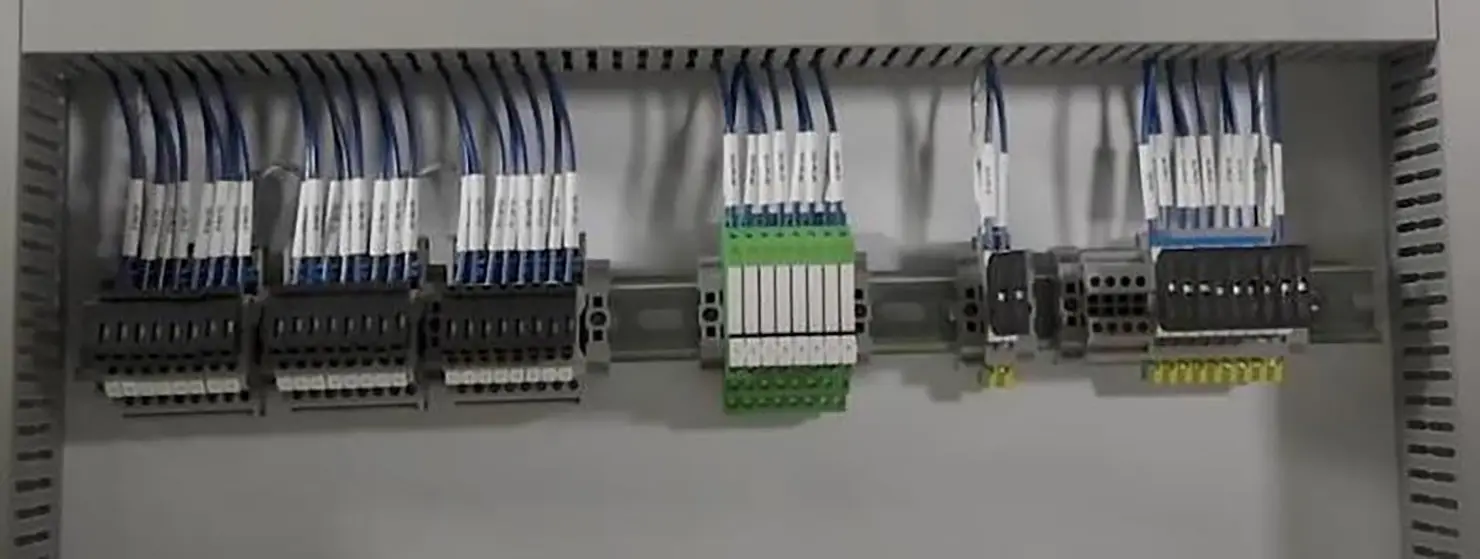
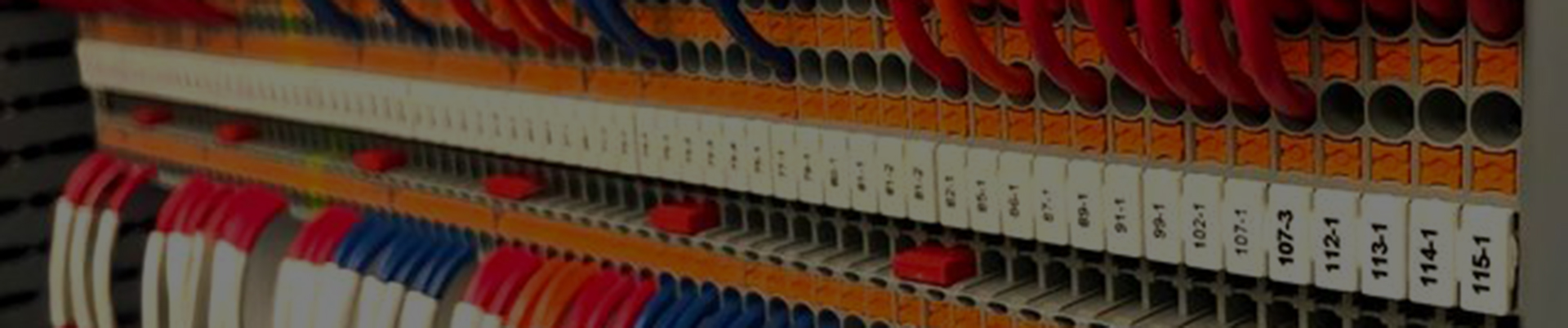
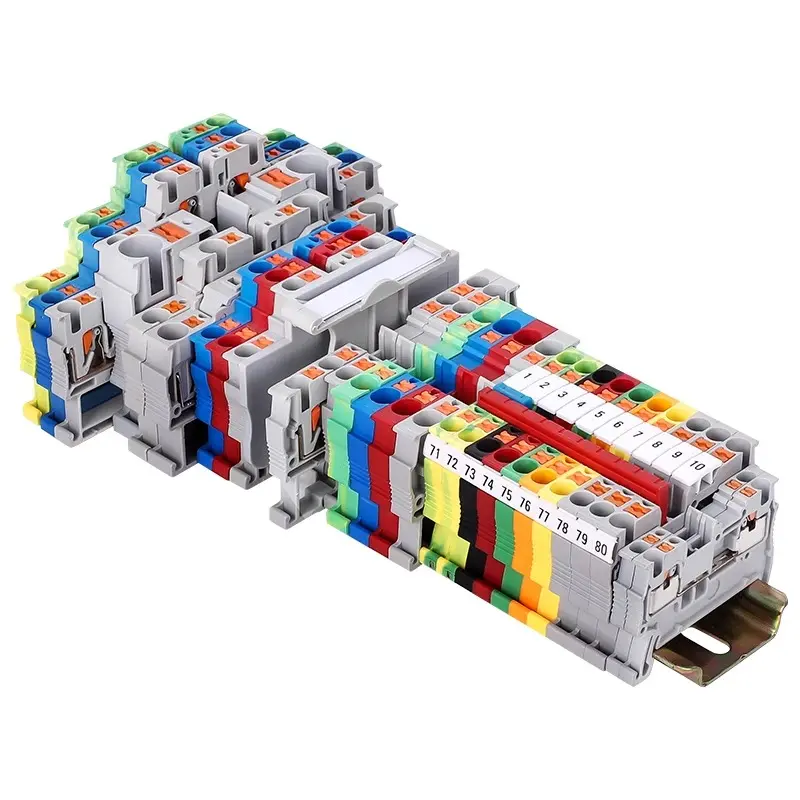
When working inside industrial control panels, we need to ensure that all connections are highly secure, with no exposed wires or terminals. Terminal blocks allow us to achieve this.Another reason for using terminal blocks is their high durability, which is why they are widely adopted in industrial applications. Moreover, an equally important reason for using terminal blocks is for organizational and management purposes.As you can see here we have an industrial control panel. And you can clearly see that we have a lot of different wire terminations and things happening here. But what we do have is a very clean organized way of identify the types of wires .We have safe connections you can also probably see we have a lot of the different terminal blocks that we've already discussed in this video.
First, you can see here is a single-level terminal block. Next is the grounding terminal block. In this specific application, there is a main ground wire coming in, and then multiple different components are grounded through these terminal blocks. You can also see multiple fuse blocks inside this panel. Finally, you can see various types of multi-level terminal blocks here. We use multi-level terminal blocks, which are connected to field instruments. These instruments require two different types of wires. So, one wire goes out from the instrument, and another wire returns to the instrument. Therefore, we need these two levels on the terminal block, which saves a lot of space inside the control cabinet.